
Starting something new sounds exciting in theory. Many people dream about learning a skill, starting a project, exercising regularly, creating content, studying a new subject, or trying a new hobby.
Yet many beginners never take the first step.
The reason is often not a lack of ability, resources, or opportunity. It is fear of failure.
This fear can be so strong that it stops people before they even begin. Instead of trying and learning, they stay where they are because it feels safer.
The interesting thing is that many of the things people fear never actually happen. The fear exists mainly in their imagination before the journey even starts.
Understanding why this happens can help beginners move forward with more confidence.
Many beginners stay stuck because they spend too much time worrying about what could go wrong.
What Is Fear of Failure?
Fear of failure is the worry that something will go wrong if we try.
It is the feeling that we might make mistakes, look foolish, disappoint others, or prove that we are not good enough.
This fear is normal. Almost everyone experiences it at some point.
The problem is not the fear itself. The problem begins when fear becomes so powerful that it prevents action.
A beginner may think:
- “What if I cannot do it?”
- “What if I make mistakes?”
- “What if people laugh at me?”
- “What if I waste my time?”
These thoughts create anxiety before any real experience has happened.
Instead of learning through action, the person becomes trapped by imagined outcomes.
Why Beginners Often Imagine Negative Outcomes
When people start something new, they enter unfamiliar territory.
The human brain naturally prefers situations it already understands. Familiar situations feel safer because we know what to expect.
New experiences come with uncertainty.
Since the future is unknown, many beginners automatically focus on what could go wrong instead of what could go right.
For example, someone who wants to learn public speaking may imagine forgetting their words in front of an audience.
A beginner artist may imagine people criticizing their drawings.
Someone learning a new language may imagine embarrassing mistakes while speaking.
In reality, none of these situations may happen exactly as imagined. But the brain often treats these possibilities as if they are certain outcomes.
As a result, fear grows stronger than curiosity.
The person starts worrying about future problems instead of focusing on the next small step.
Fear of Being Judged by Others
One of the biggest reasons beginners hesitate is the fear of judgment.
People naturally care about what others think of them.
They may worry about comments from family members, friends, coworkers, classmates, or even strangers.
Some common fears include:
- Being laughed at
- Being criticized
- Looking inexperienced
- Being compared to others
- Disappointing people
For example, a person may want to start creating videos online.
Before uploading the first video, they imagine family members saying it is a waste of time.
They imagine friends making jokes.
They imagine strangers leaving negative comments.
Because of these fears, they never publish anything.
The interesting thing is that many people are far less focused on us than we think.
Most people are busy dealing with their own lives, goals, and challenges.
Even when criticism does happen, it is usually not as damaging as beginners imagine.
Learning to accept that not everyone will approve is an important part of growth.
Why Mistakes Are a Normal Part of Learning
Many beginners think mistakes are signs of failure.
In reality, mistakes are signs of learning.
Nobody starts as an expert.
Every skill requires practice, adjustment, and improvement.
Consider how children learn to walk.
They fall many times.
Nobody looks at a child falling and says, “Walking is not for you.”
Falling is understood as part of the learning process.
The same principle applies to almost every skill in life.
People learning to cook burn meals.
People learning to drive make errors.
People learning sports miss shots.
People learning music play wrong notes.
These mistakes are not proof of inability. They are proof that learning is happening.
Without mistakes, improvement would be impossible.
The people we admire today were beginners once. They also struggled, made errors, and faced setbacks.
The difference is that they continued learning instead of stopping.
Small wins often help people build confidence and reduce fear gradually.
The Difference Between Failing and Learning
Many people treat failure and learning as opposites.
They are actually closely connected.
Failing means a result did not go as planned.
Learning means gaining information from the experience.
When beginners view every mistake as failure, they become discouraged quickly.
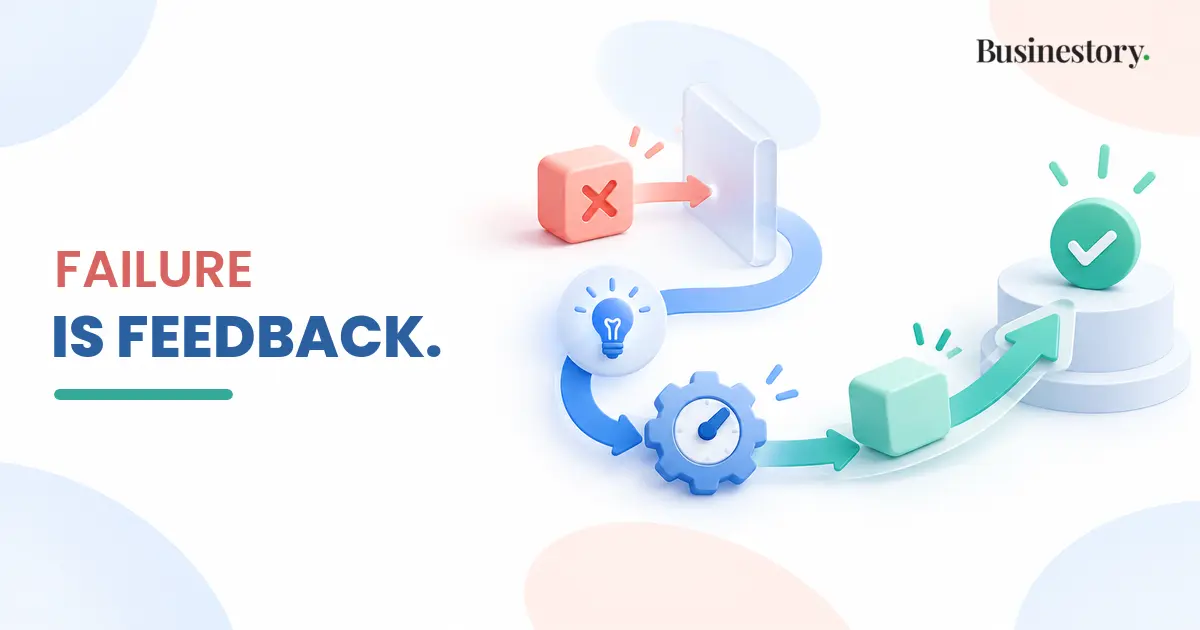
But when they view mistakes as feedback, they gain something valuable from every attempt.
Imagine someone trying to ride a bicycle.
The first attempt may end with losing balance.
If they think, “I failed,” they may quit.
If they think, “Now I know what needs improvement,” they continue practicing.
The event itself is the same.
The interpretation is different.
Learning-focused people ask questions such as:
- What worked?
- What did not work?
- What can I improve next time?
- What did this experience teach me?
These questions turn setbacks into lessons.
Over time, those lessons become skills.
Real-Life Examples of Learning Through Mistakes
History and everyday life provide countless examples of people learning through mistakes.
A new cook may accidentally add too much salt to a dish.
The meal does not turn out well.
The next time, they measure ingredients more carefully.
That mistake becomes part of their education.
A student preparing for an exam may perform poorly on a practice test.
Instead of giving up, they identify weak areas and study them.
The disappointing result helps them prepare better.
A person learning photography may take hundreds of blurry pictures.
With each attempt, they understand lighting, focus, and composition a little more.
Eventually, their photos improve.
Even professional athletes make mistakes during training and competition.
They review what happened, make adjustments, and continue practicing.
Improvement comes from repeated effort, not perfect performance.
In all these examples, mistakes were not the end of the journey.
They were part of the journey.
How Small Actions Reduce Fear
One of the most effective ways to overcome fear of failure is through small actions.
Fear often feels largest before we begin.
Once we start doing something, uncertainty gradually decreases.
Imagine someone who is afraid of swimming.
Reading about swimming may not remove the fear.
Watching videos may not remove the fear.
But stepping into shallow water and practicing slowly can begin changing how they feel.
Action provides real experience.
Real experience often replaces imagined fears.
The same principle works in many situations.
A person afraid of writing can write one paragraph.
A beginner exerciser can start with a short walk.
Someone learning a language can practice a few sentences.
Someone interested in drawing can sketch for ten minutes.
These small actions may seem insignificant.
However, they create evidence.
The mind starts seeing that progress is possible.
Confidence grows from experience, not from waiting.
Why Confidence Usually Comes After Action
Many beginners believe they need confidence before they start.
In reality, confidence usually develops after action.
People often imagine confident individuals began with complete certainty.
That is rarely true.
Most people started with doubts.
They gained confidence by practicing, learning, and improving over time.
Think about driving a car.
The first lesson can feel intimidating.
After many hours of practice, the same activity becomes normal.
The confidence did not appear first.
The experience came first.
Confidence followed.
This pattern applies to learning skills, starting projects, speaking in public, creating art, and many other activities.
Waiting to feel completely confident before starting often leads to endless delay.
Starting small creates the experiences that build confidence naturally.
Accepting That Imperfection Is Normal
Many beginners place enormous pressure on themselves.
They want their first attempt to be impressive.
They want quick success.
They want to avoid mistakes completely.
This expectation creates unnecessary stress.
The truth is that first attempts are rarely perfect.
That is normal.
Learning is a process of gradual improvement.
Nobody expects a beginner pianist to play perfectly.
Nobody expects a new athlete to perform like a champion.
Growth takes time.
Accepting imperfection allows beginners to focus on learning rather than proving themselves.
The goal of a first attempt is not perfection.
The goal is experience.
Waiting until you feel completely ready often delays progress for much longer than necessary.
Conclusion
Fear of failure stops many beginners before they start because they imagine negative outcomes, worry about judgment from others, and see mistakes as evidence of weakness.
But mistakes are not the opposite of success. They are often part of the path toward it.
Every skill involves learning, adjusting, and improving over time.
The people who progress are not necessarily fearless. They simply continue moving forward despite uncertainty.
Small actions help reduce fear because they replace imagination with experience.
Each step teaches something new.
Each mistake provides information.
Each attempt builds understanding.
Beginners do not need perfect confidence, perfect knowledge, or perfect results before starting.
They only need the willingness to take the first small step.
Once that step is taken, fear often becomes smaller, learning becomes easier, and progress becomes possible.
Fear becomes smaller when you take action, learn from mistakes, and keep moving forward.