
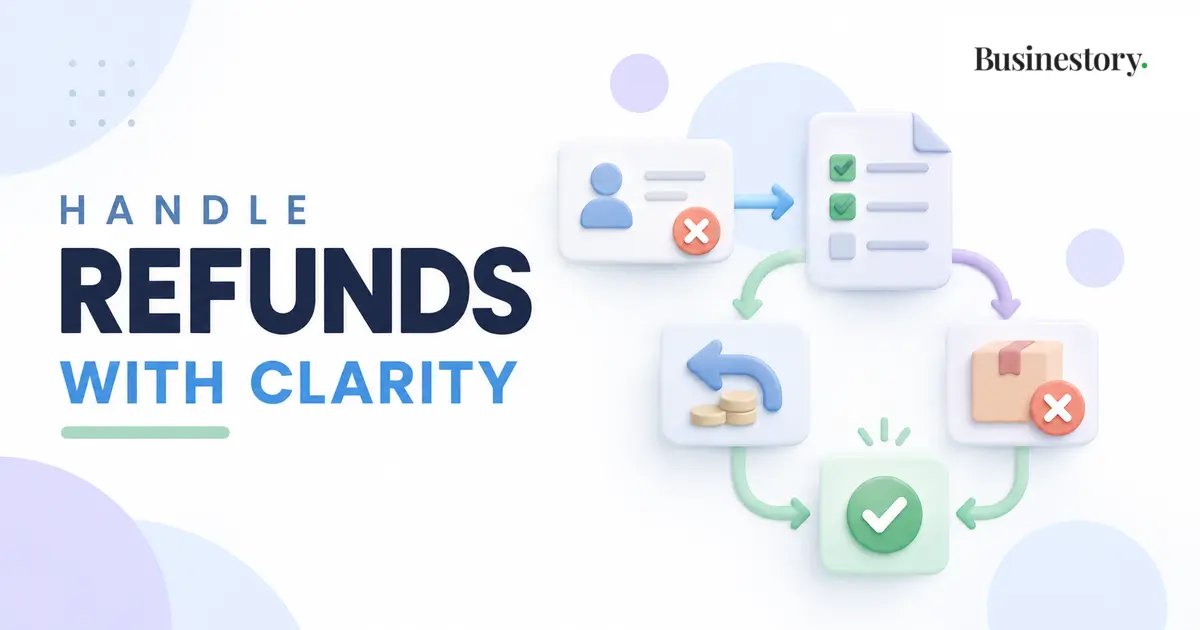
Refunds and cancellations are normal parts of an online business. Even when you do good work, a customer may change their mind, face an unexpected problem, or feel that something went wrong.
A refund means returning some or all of a customer’s payment. A cancellation means stopping an order, subscription, booking, or service before it is completed. It may lead to a full refund, partial refund, or no refund, depending on the terms and applicable rules.
Beginners should create simple rules before accepting customers, not after a problem happens. Clear rules help both sides understand what will happen if an order cannot continue.
Understand the Type of Request
Not every unhappy message is a refund request. Before making a decision, understand what the customer is actually asking for.
A refund request asks for all or part of a payment to be returned.
A cancellation request asks you to stop future or unfinished work, such as the remaining months of a service.
A revision request asks you to change completed work. An included revision is not a refund matter.
A normal support problem may involve a broken link, login difficulty, missing file, or product question. Fixing it may remove the need for a refund.
Do not assume every complaint means the customer wants money back. Ask, “Would you like us to correct the problem, or are you requesting a cancellation and refund?”
Make the Rules Clear Before Payment
Customers should receive the important terms before paying. Hidden rules can damage trust and may conflict with payment-platform or marketplace requirements.
A simple policy may explain:
- Who is eligible for a refund and under what conditions
- How many days the customer has to make a request
- How completed or partly completed work will be treated
- Whether downloaded digital products can be refunded
- Whether deposits or booking fees are refundable
- How cancellations of subscriptions, appointments, or ongoing services work
- How the customer should contact the business
- How long approved refunds usually take to process
The policy should match your offer. A freelancer may need rules about deposits and milestones, while a consultant may need rules about missed appointments.
Avoid promising “no refunds under any circumstances” without checking the rules. Consumer laws vary by country, and marketplaces, payment processors, and selling platforms may have their own requirements. A customer may sometimes have a legal right to cancel or receive a refund despite your policy.
Your policy should explain a fair process while following applicable consumer laws and platform rules.
Respond Calmly and Gather the Facts
A refund message can feel personal, but an emotional reply usually makes matters worse. Reply calmly, confirm receipt, and say you will review the request.
First, ask what happened. Do not immediately approve or refuse the request. The answer may reveal a technical error, misunderstanding, or genuine failure to deliver what was promised.
Check the original offer, including the promised result, deadline, revision limit, and access period. Then confirm whether the work was unstarted, partly completed, or fully delivered.
Review the terms accepted at payment and your conversations. Look for agreed changes, deadline discussions, and earlier solutions. Decide from these facts, not frustration or fear of a bad review.
If the customer is eligible, process the refund promptly. If not, explain why and refer to the relevant term. Stay factual and respectful.
Consider Reasonable Alternatives
A full refund is not the only possible result. However, never use alternatives to avoid a refund the customer is legally or contractually entitled to receive.
If part of a freelance project has been completed and is useful, a partial refund may be fair. If a digital file is damaged, sending a working replacement may solve the issue. If a service contains a small error, a correction may be more helpful than cancelling everything.
A customer may accept account credit, a new appointment, replacement work, or extra access time. Explain the options and allow a choice when appropriate. Never pressure someone to accept credit when the rules require money back.
Practical Examples
Freelancer: A designer receives a cancellation after completing one of three milestones. The designer keeps payment for the approved milestone, stops future work, and refunds money paid for unfinished stages, as allowed by the agreement.
Digital product creator: A buyer cannot open an ebook file. Instead of immediately refusing the request because the product was downloaded, the creator checks the file and sends a working version. If the file remains unusable and the buyer qualifies under the policy or law, the creator issues the refund.
Blogger: A reader buys through an affiliate link and asks the blogger for a refund. The blogger explains that the seller manages refunds and provides the correct support link, without promising an outcome they cannot control.
Service business: A customer cancels an online consultation before the stated deadline. The business follows its policy and returns the payment. If the customer cancels after the deadline, the business may offer one rescheduled session if that option is included in its terms.
Keep Simple Records
Record the payment, agreed offer, delivery, important messages, request, decision, and refund confirmation. Folders, invoices, email labels, or a spreadsheet are enough.
Records help you explain what happened if a customer disputes a payment. They also help you notice repeated problems. For example, several refund requests for the same download may show that its instructions are unclear or its file is broken.
Protect customer information and retain it only for legitimate business, tax, legal, or platform purposes.
Common Mistakes to Avoid
Common mistakes include having no clear policy and changing rules after payment. Use the terms presented when the purchase was made, not new terms created during a disagreement.
Avoid emotional replies, accusations, threats, and long arguments. Do not delay a legitimate refund, but do not promise unlimited refunds without conditions either.
Never argue publicly with an unhappy customer. Move the discussion to a private channel, protect their personal details, and focus on resolving the facts. A calm response protects your reputation better than trying to win a public argument.
A Simple Step-by-Step Process
- Confirm that you received the request.
- Ask what happened and what result the customer wants.
- Identify whether it is a refund, cancellation, revision, or support issue.
- Review the original offer, policy, payment, delivery status, and messages.
- Check applicable consumer laws and the rules of the platform or payment service.
- Decide whether a full refund, partial refund, correction, replacement, credit, rescheduling, or refusal is appropriate.
- Explain the decision calmly and obtain agreement when offering an alternative.
- Complete the action promptly and send confirmation.
- Record the request, decision, payment change, and final communication.
- Improve unclear terms or recurring product problems for future customers.
Final Thoughts
Refunds and cancellations do not mean your business has failed. They require clear rules, careful checking, and respectful communication.
Create a simple policy before accepting payments, apply it consistently, and remain open to the facts of each case. Most importantly, remember that consumer laws and platform rules differ by country and service. Check the specific requirements that apply to your business, and seek qualified legal advice when the situation is uncertain or carries significant risk.
A clear refund and cancellation process protects both the customer and the business. Set reasonable expectations before payment and handle each request calmly and consistently.